Immunology and Allergy
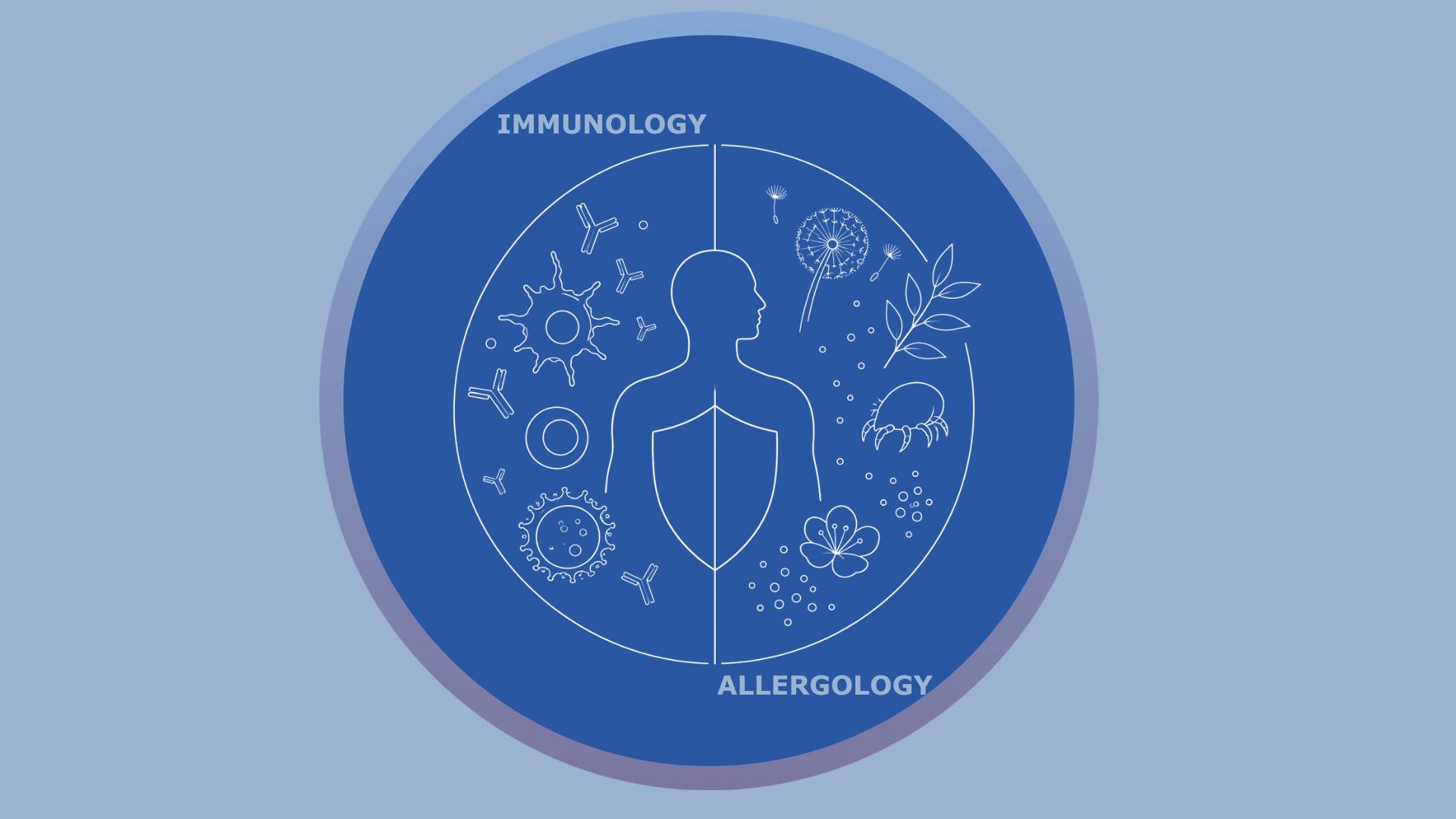
The immune system plays a central role in a wide range of diseases, including allergic disorders, chronic inflammation, autoimmune diseases, and other immune-mediated conditions. As novel therapies increasingly target specific immune pathways, early clinical development requires both scientific expertise and access to well-characterized patient populations.
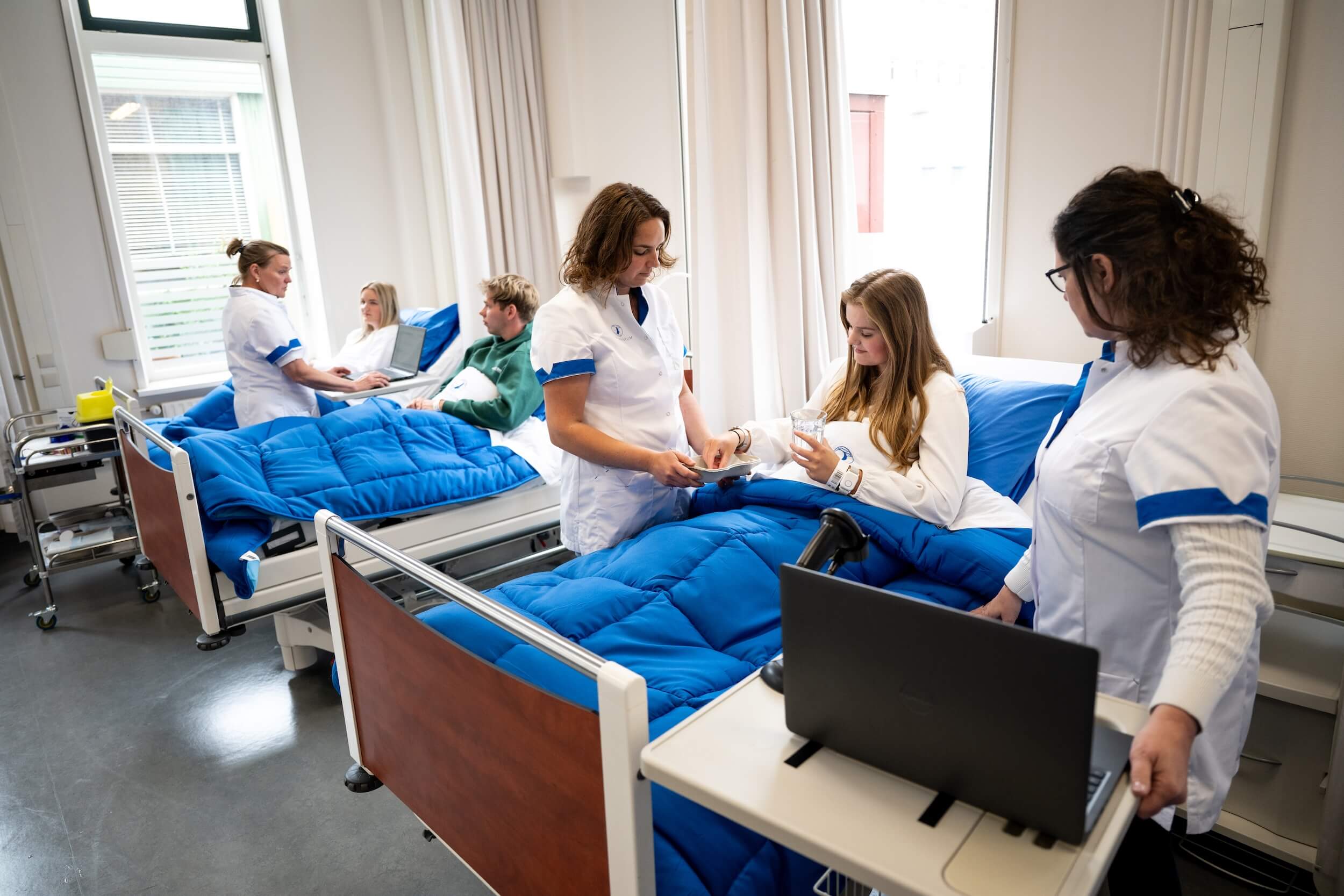
At DELPHINIUM, we support biotechnology and pharmaceutical companies with early-phase clinical studies in immunology and allergy. Together with the Department of Allergology and Clinical Immunology at the University Medical Center Groningen (UMCG), we combine our dedicated Phase I unit with internationally recognized expertise led by Dr. Hanneke Oude Elberink. This collaboration provides access to specialized patient populations and extensive experience in food allergy, venom allergy, asthma, atopic diseases, mast cell disorders, and innovative immunomodulatory therapies.
Our integrated approach supports the full spectrum of early clinical development, from first-in-human and proof-of-mechanism studies in healthy volunteers to proof-of-concept studies in patients. By combining scientific excellence, operational flexibility, and close collaboration with UMCG, DELPHINIUM offers an efficient and reliable platform for the development of next-generation immunology and allergy therapies.
Collaboration UMCG
In collaboration with the Department of Allergology and Clinical Immunology at the UMCG, we provide sponsors with direct access to leading immunology investigators, specialized patient populations, and advanced immunological research capabilities.
This collaboration enables sponsors to:
- Conduct first-in-human and Phase I studies in a dedicated GCP-compliant clinical research unit located on the UMCG campus.
- Access healthy volunteers and well-characterized patient populations for proof-of-mechanism and proof-of-concept studies.
- Incorporate advanced immunology, biomarker, and translational endpoints into early clinical development programs.
- Establish a seamless transition from healthy volunteer studies to patient-based studies within the same academic environment.
- Leverage extensive clinical and scientific expertise in allergy and immune-mediated diseases.
Immunology and Allergy assessments
Depending on the compound and development strategy, studies may include:
- Allergen challenge models, like food challenges, drug challenges and inhalation provocation (eye, nose and lung)
- Skin prick testing and allergy diagnostics
- Immunogenicity assessments
- Cytokine and inflammatory biomarker profiling
- Pharmacodynamic immune response assessments
- Flow cytometry and immune cell phenotyping
- IgE, IgG and antibody response measurements
- Biomarker and translational medicine endpoints
- PK/PD modelling and immune response characterization
- DEXA scans, CT, MRI’s
- Volume flow measurements
- Skin photography

Key Opinion Leader
Dr. Hanneke Oude Elberink is Head of the Department of Allergology at the University Medical Center Groningen (UMCG). In addition, she is the Director of the Netherlands Mastocytosis Center Groningen, and Head of the GA²LEN UMCG Anaphylaxis Centre of Excellence. She leads an internationally re)cognized clinical and translational research program in severe allergic diseases.
Her research focuses on improving the diagnosis and treatment of allergic diseases. Her expertise spans anaphylaxis (eg food and insect venom allergy), allergen immunotherapy, mast cell disorders, immune tolerance, and translational biomarker research. Over the past two decades, she has led numerous investigator-initiated and industry-sponsored clinical studies, ranging from mechanistic research to multicentre clinical trials and implementation studies.
As principal investigator and scientific advisor, she contributes extensive experience in early clinical development, biomarker integration, clinical trial design, and regulatory guideline development. She has contributed to multiple international guidelines in allergy and clinical immunology.
She has extensive experience leading investigator-initiated and industry-sponsored clinical studies and is actively involved in international research collaborations and scientific advisory boards.
Through this collaboration, sponsors gain access not only to specialized patient populations and advanced immunological assessments, but also to scientific leadership that helps optimize study design, patient selection, translational endpoints, and clinical development strategies for innovative immunological therapies.